Pool Table Installation and Setup Topics
Orientation: Understanding Pool Table Placement
Adding a pool table to your home is one of those improvements that transforms how you use your space. Unlike built-in features, a pool table demands careful thought about the room itself: its dimensions, the floor beneath it, the light above it, and—if the table is already in someone else's basement—how you'll actually get it where it needs to go. Most homeowners discover these topics only after they've already bought the table or started planning. The good news is that each question has a straightforward answer, and addressing them early saves time, money, and frustration.
The weight and precision of a slate pool table mean that installation is as much about the floor and room layout as it is about the table itself.

Next Step: Room Assessment
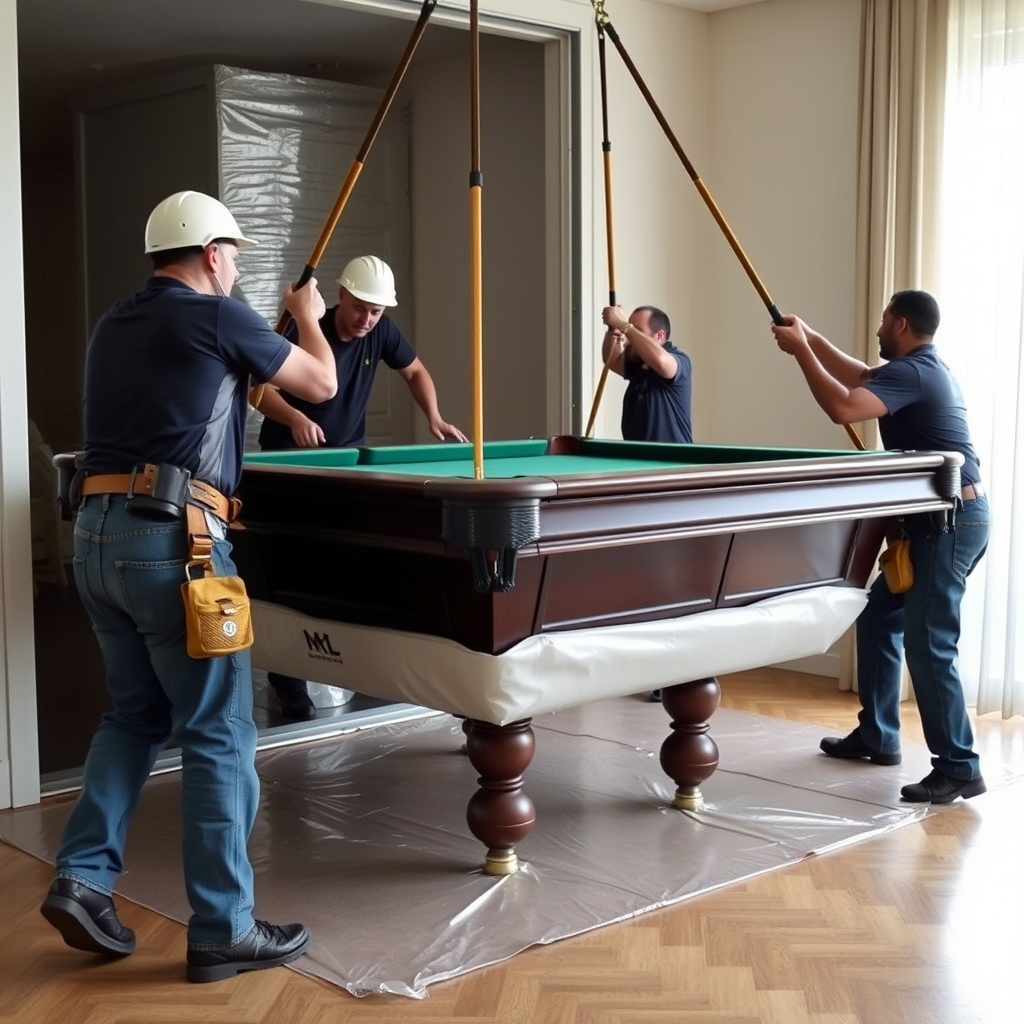
The Detail: Five Installation Essentials
Before you call anyone or move forward with purchase, confirm these five points. First: measure every doorway and hallway the table must pass through, including diagonal placement if corners are tight—slate tables can be unforgiving when they hit drywall. Second: place a level on your intended floor and check for high or low spots that would affect how the table sits. Third: confirm your floor is structurally sound and rated for the weight; slate tables easily exceed 1,000 pounds, and older homes sometimes need floor reinforcement. Fourth: measure the clearance you'll need around the table for cues and play; a standard 8-foot table needs at least 4 feet of clear space on all sides. Fifth: identify where natural and artificial light will come from, since shadows from improper lighting can ruin play and frustrate players. Handle these five checks and your table will serve your home well for decades.
Watch a Table Come Apart Before It Moves
This walkthrough from The Home Depot shows why a slate table is never carried in one piece: the rails and pockets come off first, the slate lifts out in sections, and the frame travels on its own. Seeing the steps once makes it much easier to judge the doorway, stair and floor questions above, and to know what a crew will be asking you on moving day.